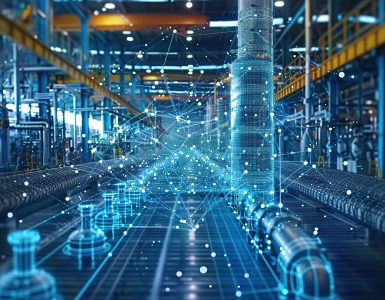

Walk through almost any commercial or industrial facility and, at first glance, everything may appear to be operating exactly as it should, and no energy problems are to be found.
The lights are on. The HVAC system is keeping occupants comfortable. Production equipment is running. Solar panels are generating electricity. Nothing seems out of the ordinary.
But some of the most expensive energy problems aren’t obvious. They don’t trigger alarms, cause equipment failures, or bring operations to a halt. Instead, they quietly increase energy costs day after day, month after month.
Without detailed, real-time monitoring, these hidden inefficiencies can go unnoticed for years.
When “Normal” Isn’t Actually Normal
Facilities naturally evolve. Equipment ages, operating schedules change, and systems drift away from their original performance. Because these changes happen gradually, they often become the new normal.
The result is higher utility bills without a clear explanation.
Energy monitoring helps answer an important question:
Is your facility operating the way you think it is, or the way it actually is?
HVAC Systems That Slowly Lose Efficiency
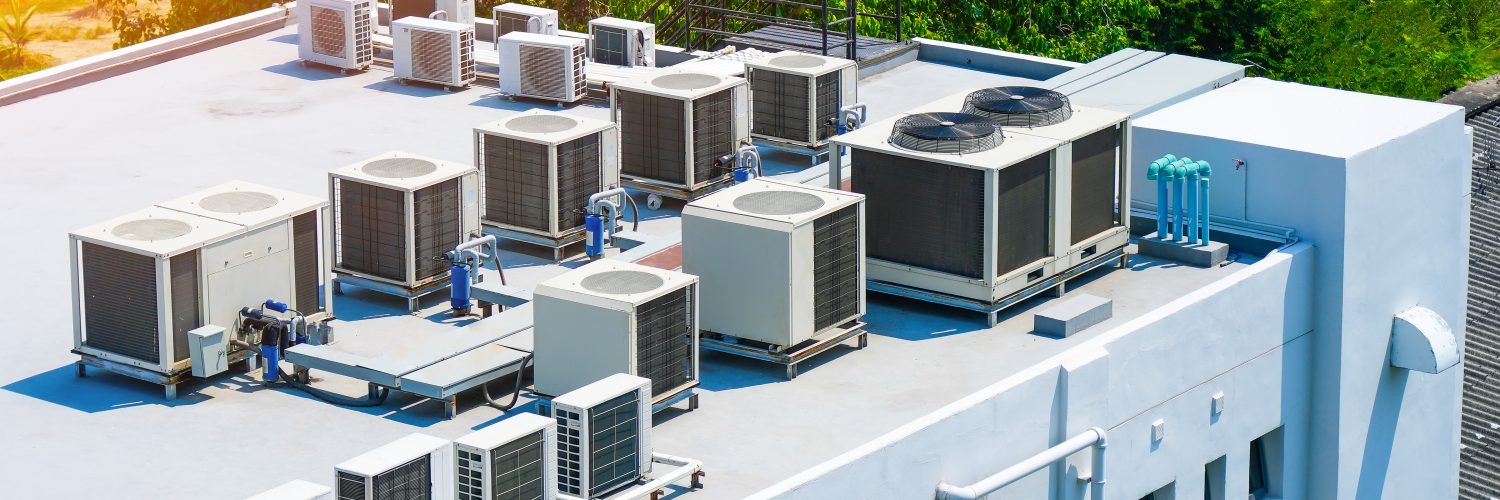
Heating and cooling systems are among the largest energy consumers in most buildings. They also tend to lose efficiency gradually rather than all at once.
Dirty filters, aging components, failing dampers, refrigerant issues, and changing occupancy patterns can all increase energy consumption without affecting occupant comfort enough to raise concerns.
The building still feels comfortable, so no one suspects a problem.
Meanwhile, the HVAC system may be consuming significantly more electricity than it did just a year ago.
With continuous energy monitoring, facility managers can spot these gradual increases and investigate long before they become expensive repairs or major energy drains.
Motors That Work Harder Every Month
Electric motors power everything from pumps and compressors to conveyors and manufacturing equipment.
As bearings wear, belts loosen, or mechanical resistance increases, motors often begin drawing more current to perform the same work.
The equipment continues running, so production isn’t interrupted. But energy consumption steadily climbs.
Monitoring motor loads over time allows maintenance teams to identify these changes early, often preventing both unnecessary energy use and unexpected equipment failures.
Overnight Energy That Never Sleeps
One of the most common hidden costs in commercial buildings is energy consumption that occurs when no one is there.
Lighting left on, HVAC systems running longer than necessary, idle production equipment, vending machines, compressors, and other always-on devices can quietly consume thousands of dollars in electricity each year.
Because this usage happens outside normal business hours, it often goes unnoticed unless someone is specifically looking for it.
Real-time monitoring makes overnight and weekend consumption easy to identify, helping organizations eliminate unnecessary loads and reduce operating costs with minimal disruption.
Solar Systems Don’t Always Perform as Expected
Installing solar is only the first step. Ensuring it continues producing at peak performance is equally important.
Shading from new vegetation or nearby construction, inverter issues, dirty panels, equipment faults, or unexpected system degradation can all reduce energy production.
Since solar systems typically continue generating power, these issues aren’t always immediately obvious. Owners may assume everything is working properly while the system quietly produces less energy than expected.
Monitoring production alongside facility consumption provides valuable insight into whether a solar investment is delivering the expected return.
Small Inefficiencies Become Big Expenses
Many energy losses seem insignificant on their own. Just a few of the possible ways to be losing energy are:
- A few extra amps on a motor.
- An HVAC unit running an hour longer each day.
- Equipment left energized overnight.
- A solar array producing just a little less than expected.
Individually, these changes may appear too small to matter.
Together, they can add thousands of dollars to annual operating costs.
The challenge isn’t that these inefficiencies are impossible to fix. It’s that they’re difficult to find without visibility looking into what your facility is doing every second of the day.
You Can’t Improve What You Can’t See
Waiting for the monthly utility bill only tells you how much energy was consumed. It doesn’t explain where it was used, when it happened, or what caused the increase.
Continuous, circuit-level monitoring transforms energy from a monthly mystery into actionable information.
Instead of reacting to higher utility bills after the fact, organizations can identify abnormal behavior as it develops, investigate the root cause, and make informed decisions that improve efficiency.
Make the Invisible Visible
The most expensive energy problems are often the ones no one realizes exist.
They don’t generate alarms or stop production. They quietly waste energy while blending into normal operations.
That’s why continuous monitoring is so valuable. It gives facility managers, energy professionals, and business owners the visibility they need to identify hidden inefficiencies before they become significant expenses.